The alliance between Albania, North Macedonia and Serbia under the title ‘WineVision by Open Balkan’ focuses on international solidarity, setting aside unsuccessful politics and offering emerging wine regions a stage they have long deserved.
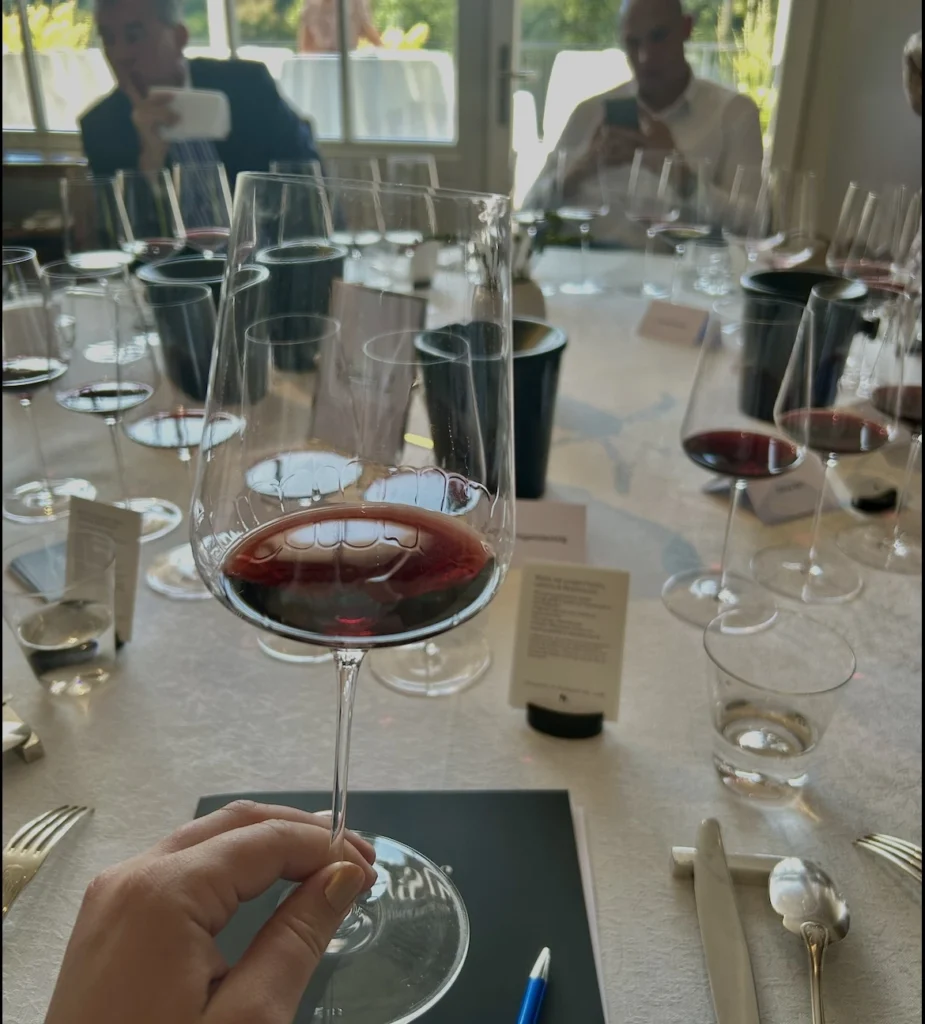
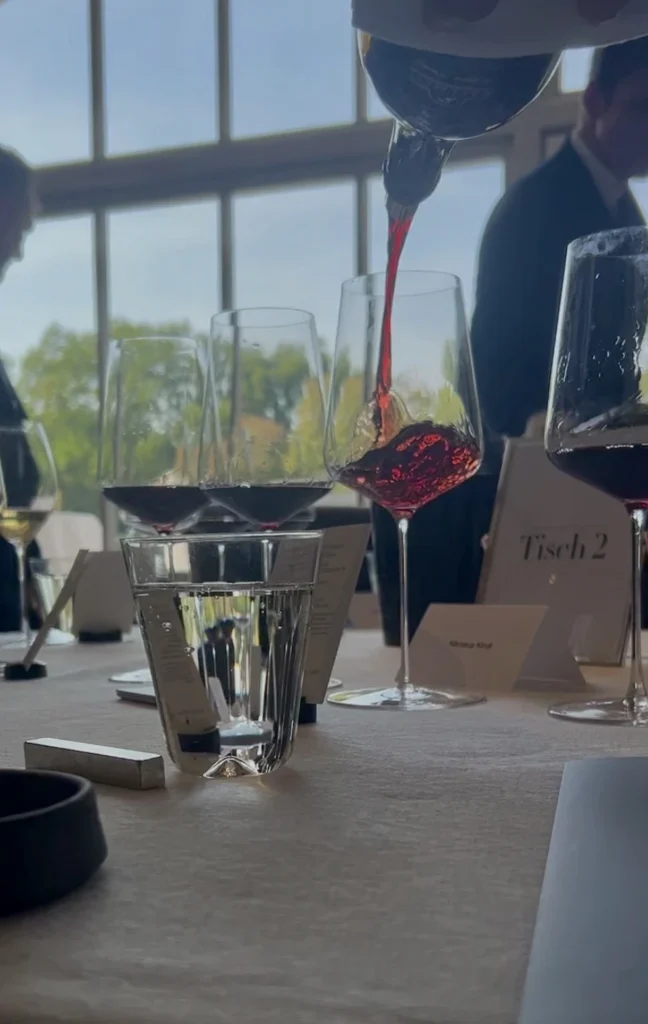
Different Balkan countries sitting down at the same table: a rarity – at least politically. The new initiative ‘WineVision by Open Balkan’ highlights what connects southern Europe: the wines of the Balkan region. The project was presented at Steirereck in Standpark in the presence of politicians and the press. The hosts, including Serbian Chamber of Commerce President Marko Čadež and Falstaff Editor-in-Chief Peter Moser, presented the project during an extensive wine tasting lunch. In a joint effort by Serbia, Albania and North Macedonia, WineVision celebrated its premiere as an extensive wine fair in Belgrade in 2022, bringing together 350 wineries from the countries of the Open Balkan initiative and beyond.
‘Wine achieves what politics has failed to achieve in 40 years,’ said Serbia’s Chamber of Commerce President Čadež on the importance of international exchange and the wine fair, which is now to take place annually and will be held again from 13 to 19 November 2023. ‘We have doubled our wine-growing area in 10 years,’ Čadež continued, ‘and demand has quadrupled. We have learned how to make top-quality wines and now want to gain a foothold in the international wine business. There is a lot to learn from Austria, which has risen to become the world champion within 20 years.’
Soils steeped in history
While the classic Western wine countries dominate our minds and wine racks, and self-proclaimed connoisseurs may at best refer to South Africa, South America or Australia, the Balkan countries so close to us remain under the radar. Yet South-Eastern Europe, with its ideal climatic conditions and excellent vegetation, is a paradise for fruit and wine. Today’s comparatively small cultivation areas and production figures cause us to overlook the long history of wine, which dates back to the 8th century BC. At that time, the Illyrians in Albania were already growing wine, pressing it and giving it its quality and renown well into the 15th century, until production declined under Ottoman rule. After several turbulent centuries, wine production in Albania, North Macedonia and Serbia is now developing rapidly for the first time and promises a glorious future – perhaps a future that will bring the countries closer together beyond political and territorial tensions?