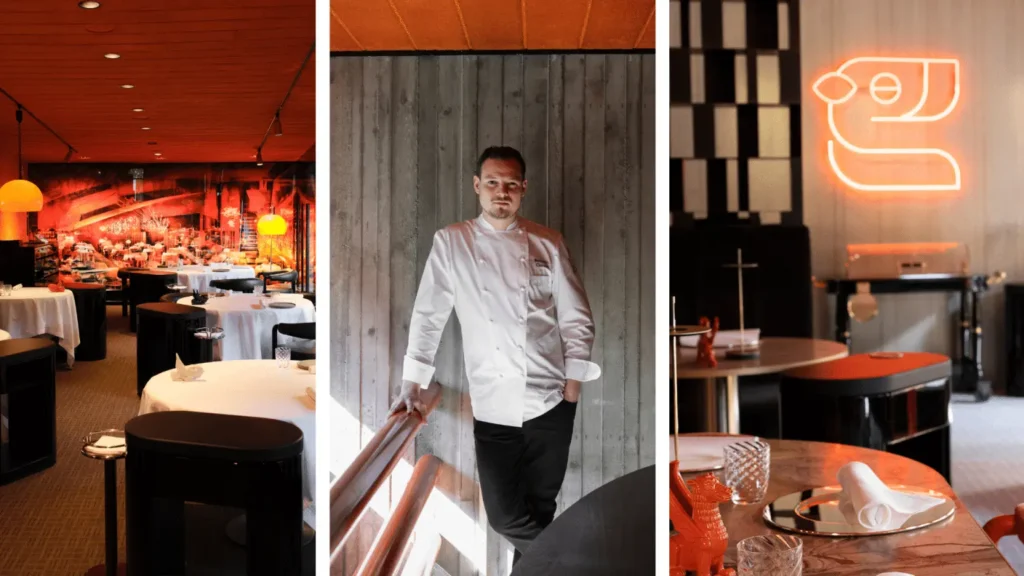
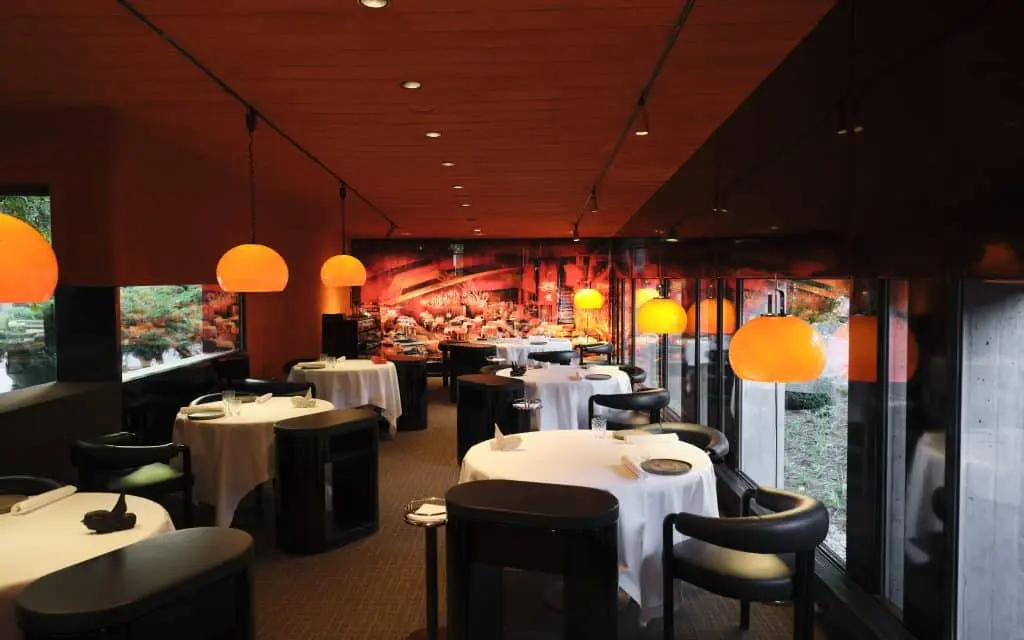
Entering Tantris Maison Culinaire feels like stepping out of time. Within its modern, subtly Asian-inspired interior, calm sophistication reigns. The service team watches over every guest with quiet attentiveness, while sommeliers share their insights into the wines with genuine enthusiasm. At the heart of it all: Chef de Cuisine Benjamin Chmura. Since taking the helm in 2021, he has been captivating diners with refined French cuisine, executed with meticulous craftsmanship and heartfelt creativity. Stages of Taste visited Tantris to experience the restaurant in all its facets—and to speak with the chef himself.
Tantris Maison Culinaire places a strong emphasis on craftsmanship. What defines good craftsmanship in your kitchen?
Exactly. At Tantris Maison Culinaire, our entire philosophy revolves around handwork. Every dish served at Restaurant Tantris, our menu-only dining room, at Tantris DNA, our à-la-carte concept, and even at Bar Tantris is made entirely in-house—either in the kitchen or our pâtisserie. It all starts with the finest ingredients and a deep understanding of French savoir-faire: discipline, precise recipes, a wide repertoire of techniques, exacting execution, and perfectly balanced flavors. All of that, of course, paired with passion, respect for our ingredients, and love for what we do every day.
Following the traditions of French haute cuisine, we place great importance on the preparation of stocks and sauces. They form the foundation of our dishes—binding the individual components into a harmonious whole. We also rely on classic cooking methods such as braising, grilling, poaching, sautéing, and steaming to preserve the natural character of each ingredient. The same principles guide our pâtisserie and boulangerie. We maintain the highest standards—both in craftsmanship and in our recipes.
Of course, a complete culinary experience also depends on exceptional service and a sommelier with an inspiring, well-curated wine selection. But above all, I owe everything to my international team. Their expertise, craftsmanship, and passion are what truly bring the Tantris vision to life—they are the real stars of our kitchen and dining room.
Why has French cuisine held such a leading role in fine dining?
France laid the foundation for haute cuisine and the modern gourmet kitchen. It’s where the brigade system—the division of labor into distinct stations—was created and perfected. As early as the 19th century, pioneers like Savarin and Escoffier established the first brilliant recipes and culinary principles. In France, cooking and good food are part of the national culture—taken seriously and treated with deep respect. These techniques and recipes have been refined and passed down for generations, creating a unique legacy of savoir-faire and culinary identity.
How does your work at Tantris differ from your previous experiences?
We work exclusively with seasonal products—because that’s when ingredients are at their peak. Whenever possible, we source locally, from long-term partners, producers, and farmers. These relationships are essential to us. As a result, our menu is constantly evolving. For example, our apricot tart was replaced after a few weeks with a fig tart once the season changed. It’s a continuous, natural rhythm of the seasons.
Is there a dish that excites your guests—or you—most at the moment?
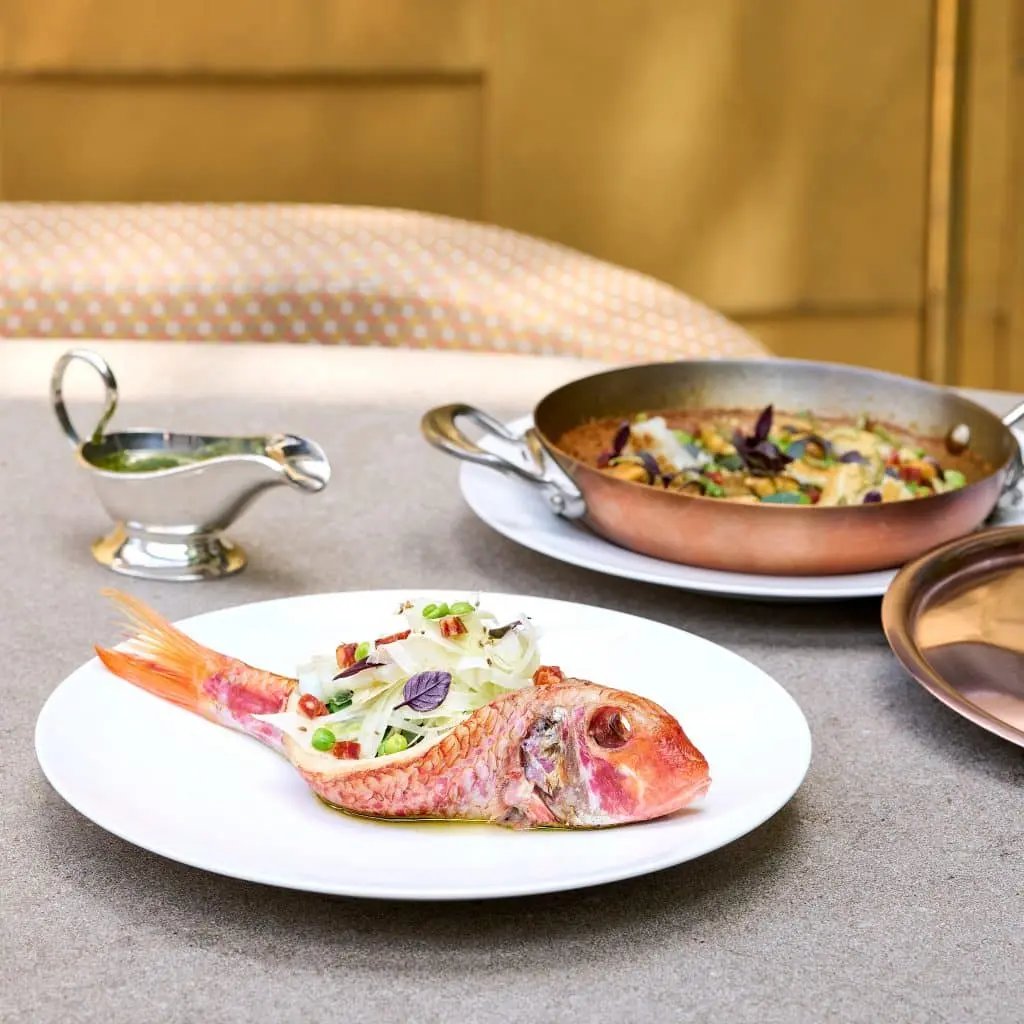
Our Tuna with Sauce Bordelaise. It’s only on the menu for two months. The tuna is line-caught off the coast of Brittany—truly exceptional quality. The combination of raw tuna, porcini mushrooms, caviar, and a sauce made from red wine and shallots is one our guests love.
You base your dishes on what the market offers. What are your favorite seasonal ingredients?
I’m a real mushroom fan! I love working with champignons and porcini. But I’m equally passionate about root vegetables and heirloom varieties that have almost been forgotten—they have such a distinct, natural flavor.
What’s one ingredient you think is completely underestimated?
Potatoes! Whether in a Gratin Dauphinois or Pommes Soufflées—there are so many creative, beautiful ways to prepare them.
How does a chef of your caliber cook at home?
When I’m at home, I like simple food—made with seasonal ingredients and lots of vegetables. Everything from the local weekly market, always from regional producers.
With climate change affecting how we live and eat, what long-term shifts do you foresee for gastronomy?
I believe we’ll see a continued move toward plant-based dining. Even now, the shift toward vegetarian and vegan cuisine is evident. That’s why we decided to offer a fully vegetarian menu at Tantris. Responsible use of our resources will become ever more crucial. I’m proud that we emphasize seasonality and regionality to the highest degree. You won’t find a pineapple here in winter if it didn’t come from Europe—we’re absolutely strict about that. (By the way, the kiwis we served during your visit were grown right here in Bavaria!)